


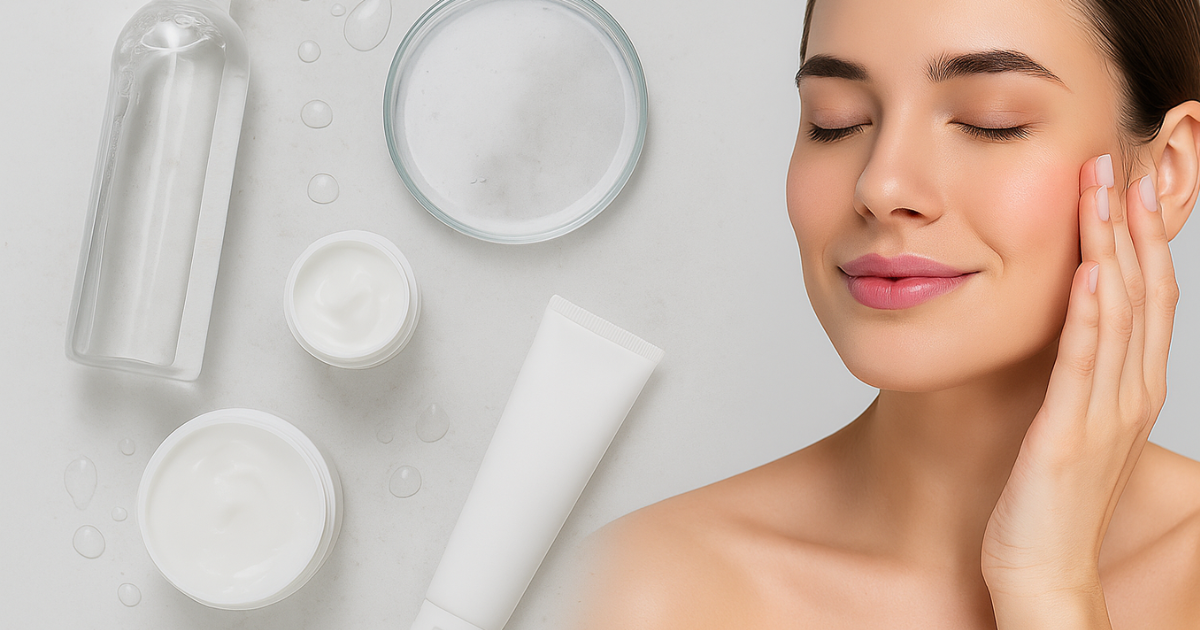
Jennifer had always assumed tap water was fine for washing her face. After all, she drank it, cooked with it, and showered in it every day without thinking twice. But when she started noticing persistent dryness, irritation, and breakouts despite using expensive skincare products, her esthetician asked a simple question: “What water are you using to cleanse your face?”
Jennifer had never considered that the water itself might be the problem. Her esthetician explained that tap water contains chlorine, minerals, and other additives that can strip the skin’s natural oils and disrupt the skin barrier. That same week, Jennifer invested in a reverse osmosis water system and began using purified water for her skincare routine.
Within two weeks, her skin felt softer and looked clearer. Within a month, the persistent irritation had disappeared. She couldn’t believe something as simple as changing her water source could make such a dramatic difference in her skin’s health and appearance.
Why Water Quality Matters for Skin
Water quality directly impacts skin health in ways many people never consider. The water you use to cleanse your face, rinse off products, and hydrate your skin plays a crucial role in whether your skin thrives or struggles. Understanding the differences between tap water and reverse osmosis water helps you make informed choices about one of the most fundamental components of any skincare routine.
The Problem with Tap Water
Tap water contains numerous additives and minerals that vary depending on your location and local water treatment processes. Most municipal systems add chlorine to kill bacteria and make water safe for drinking and general use. While chlorine is effective at disinfection, it is harsh on skin.
Chlorine strips away the skin’s natural protective oils, disrupts the barrier, and can cause irritation, dryness, and sensitivity. Additionally, tap water often contains minerals like calcium and magnesium. Hard water, or water with high mineral content, can leave residue on skin, clog pores, and interfere with skincare product absorption.
The Benefits of Reverse Osmosis Water
Reverse osmosis water is purified through a filtration process that removes approximately 95 to 99 percent of dissolved solids, including minerals, chlorine, bacteria, and other contaminants. The result is pure water with minimal additives.
This purified water is gentler on the skin because it doesn’t strip away natural oils or leave mineral deposits. It allows skincare products to penetrate more effectively because there’s no mineral barrier. For people with sensitive, acne-prone skin or conditions like eczema or rosacea, reverse osmosis water can make a noticeable difference in comfort and clarity.
The Hidden Damage of Chlorine
Chlorine is a powerful oxidizing agent that kills bacteria but also damages skin cells and disrupts the skin microbiome. Exposure to chlorine can trigger inflammation, increase sebum production, and worsen existing skin conditions. People who shower in chlorinated water often notice dry, itchy skin and hair.
Using chlorinated tap water on your face compounds this damage, especially if you cleanse multiple times daily. Over time, regular chlorine exposure can compromise your skin barrier and lead to chronic irritation.
Hard Water and Mineral Buildup
Hard water creates additional problems by leaving mineral film on your skin that interferes with pH balance and clogs pores. This makes it harder for skincare products to absorb properly and can worsen acne and sensitivity. Many people believe their skincare products are failing when in fact, their water source is the issue.
Reverse Osmosis Water Boosts Product Performance
When your skin is clean and free from mineral buildup, serums, moisturizers, and treatments can penetrate more deeply. Reverse osmosis water allows your products to work as intended rather than sitting on the surface. Many people report that their existing products suddenly seem to work better after switching to purified water.
The Importance of pH Balance
Healthy skin has a slightly acidic pH of about 4.5 to 5.5. This acidity helps maintain the skin barrier and prevents bacterial overgrowth. Chlorinated tap water is often alkaline, which disrupts the skin’s natural balance.
Reverse osmosis water, being essentially neutral, does not interfere with the skin’s pH. For those with sensitive skin or rosacea, maintaining proper pH is critical to preventing flare-ups and irritation.
Protecting the Skin Microbiome
The skin microbiome, a collection of beneficial bacteria, is disrupted by chlorine and harsh tap water. Just as chlorine kills bacteria in pools, it also kills the good bacteria on your skin. Reverse osmosis water doesn’t disturb this balance, allowing beneficial bacteria to thrive and protect your skin naturally.
Who Benefits Most
People with acne-prone skin often see reduced breakouts. Those with eczema or rosacea experience less redness and irritation. Even individuals with healthy skin notice improved clarity, texture, and radiance after switching to purified water.
Cost and Installation
A reverse osmosis system costs between $150 and $500 depending on the model. Over time, the cost per gallon is just pennies. When you consider how much is spent on skincare products that don’t work properly because of poor water quality, the system pays for itself quickly.
There are many installation options. Under-sink systems treat a single faucet, while whole-house systems purify all water entering the home. Portable countertop systems and filter pitchers provide budget-friendly alternatives. Even renters can benefit.
Enhanced Professional Treatments
Professional skincare treatments such as chemical peels, microneedling, or laser therapies work better when supported by proper water quality at home. Reverse osmosis water enhances healing, increases product penetration, and improves results. Many estheticians recommend it for this reason.
Hydration and Overall Health
Pure water hydrates more effectively than water filled with minerals and chemicals. When combined with healthy hydration habits, using purified water both internally and externally supports overall skin health.
Environment and Wellness
While reverse osmosis systems do create some wastewater, newer systems are highly efficient. Reducing chlorine and mineral exposure not only benefits your skin but also contributes to better overall health. Many people who switch report feeling better and noticing improvements in hair, nails, and energy levels.
Making the Switch
You can begin simply by using reverse osmosis water to wash your face and rinse off products. Most people see improvements within a few weeks. Over time, expanding its use to showers and daily routines can lead to even greater results.
Sumner Aesthetics and Laser Recommendation
At Sumner Aesthetics and Laser, we recommend reverse osmosis water as a foundational part of any skincare routine. The treatments and products we provide work best when combined with purified water. Whether you receive chemical peels, microneedling, or laser therapy, using reverse osmosis water at home amplifies and accelerates your results.
If you’re struggling with skin issues despite using quality products, your water may be the missing link. Combine pure water with our professional treatments to create the healthiest, most radiant skin possible.
Contact Information
Sumner Aesthetics and Laser
Phone: (615) 557-5526
Address: 300 Indian Lake Blvd A-200, Hendersonville, TN 37075
Website: https://sumneraestheticsandlaser.com
Facebook: facebook.com/SumnerAestheticsandLaserTN
Instagram: instagram.com/sumneraestheticsandlasertn
TikTok: tiktok.com/@sumneraestheticsanlaser
LinkedIn: linkedin.com/in/sumner-aesthetics-181a1538b
Services Include: Medical and spa facials, waxing, lash lifts, tinting, chemical peels, microneedling, microchanneling, SylfirmX, and Aerolase Laser treatments.
Ready to invest in your skin health and beauty?
Contact us today to schedule your consultation!