


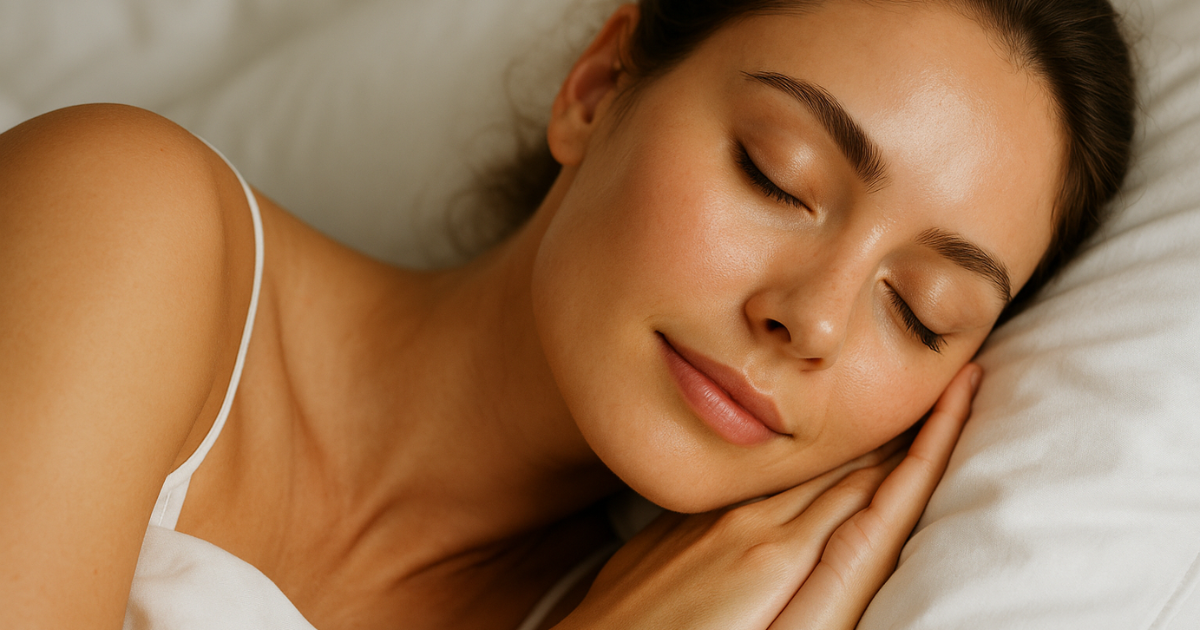
Stephanie noticed the difference immediately after her sleep schedule changed. For years, she’d been a night owl, staying up until midnight or later scrolling through her phone, then waking at 5:30 AM for work. Her skin reflected her exhaustion dark circles, dull complexion, frequent breakouts, and a generally tired appearance. When she started a new job with a different schedule, she found herself naturally going to bed at 10 PM and waking at 6:30 AM, getting a full eight hours of sleep. Within one week, her skin looked noticeably brighter. Within two weeks, her breakouts had diminished. Within a month, people were asking what skincare products she’d started using because her skin looked so radiant and clear. Stephanie realized the transformation had nothing to do with new products – it was simply the result of getting adequate, quality sleep. She’d discovered that the most powerful skincare treatment available was completely free: a good night’s sleep.
The phrase “beauty sleep” isn’t just a saying it’s backed by solid science. During sleep, your body undergoes profound restorative processes that directly impact your skin’s appearance, health, and ability to repair damage. Understanding how sleep affects skin and prioritizing quality sleep can transform your complexion more dramatically than expensive skincare products or professional treatments alone. Sleep for skin health is one of the most underrated yet powerful tools available for achieving radiant, clear, youthful looking skin.
During sleep, your body increases blood flow to the skin and rebuilds collagen, the protein that keeps skin firm and youthful. This increased circulation delivers oxygen and nutrients to skin cells, nourishing them and promoting repair. Collagen production peaks during deep sleep stages, which is why people who sleep well have plumper, more resilient skin with fewer fine lines. People who chronically lack sleep have reduced collagen production, leading to premature aging, sagging skin, and accelerated wrinkle formation.
Cortisol levels decrease during sleep, which is crucial for skin health. Cortisol, the stress hormone, triggers inflammation, increases sebum production, and weakens the skin barrier when elevated. During quality sleep, cortisol levels drop significantly, reducing inflammation throughout your body including your skin. This is why people often wake up with clearer skin after a good night’s sleep – their cortisol levels have normalized, reducing the inflammation that causes breakouts and sensitivity.
Skin cell turnover accelerates during sleep. Your skin naturally sheds dead cells and generates new ones, but this process happens much faster and more efficiently during sleep. During deep sleep stages, your body prioritizes skin cell regeneration and repair. This is why consistent, quality sleep leads to smoother, more radiant skin your body is literally replacing old, damaged skin cells with fresh, healthy ones every night. People who sleep well have visibly smoother, more luminous skin because they’re constantly refreshing their complexion.
Hydration improves during sleep when your body isn’t losing water through perspiration and respiration at daytime rates. Your skin cells plump up with hydration during sleep, which is why well-rested people have fuller, more radiant skin. Dehydrated skin looks dull, tired, and accentuates fine lines. Quality sleep ensures your skin cells are properly hydrated, creating that glowing, refreshed appearance people associate with beauty sleep.
The glymphatic system – your brain’s waste clearance system – activates primarily during sleep. This system removes metabolic waste products and toxins that accumulate during waking hours. Better toxin clearance means less inflammation and fewer skin problems. Poor sleep impairs glymphatic function, allowing toxins to accumulate and trigger skin issues. This is one reason why sleep deprivation often leads to breakouts and skin problems – your body isn’t effectively clearing waste products.
Immune function strengthens during sleep, which is essential for fighting acne-causing bacteria and maintaining skin health. During sleep, your body produces cytokines that fight infection and inflammation. Sleep deprivation impairs immune function, making you more susceptible to bacterial skin infections and slower to heal from skin damage. People who sleep well have stronger immune systems that keep their skin clearer and healthier.
Melatonin production during sleep provides antioxidant protection to your skin. Melatonin, the hormone that regulates sleep wake cycles, is a powerful antioxidant that protects skin from free radical damage. During sleep, melatonin levels rise, providing nighttime antioxidant protection. This is one reason why nighttime is when your skin does its most important repair work melatonin is actively protecting and healing your skin while you sleep.
Hormone balance depends on adequate sleep. Sleep regulates hormones including estrogen, testosterone, and insulin, all of which affect skin health. Insufficient sleep disrupts hormone balance, leading to hormonal acne, increased sebum production, and skin sensitivity. Women often notice their skin clears when they prioritize sleep because hormone balance improves. Consistent, quality sleep is one of the most effective ways to manage hormonal acne.
Dark circles and under-eye bags are among the most obvious signs of sleep deprivation. During sleep, fluid redistribution occurs, and blood vessels constrict, reducing puffiness and dark circles. Sleep deprivation prevents this process, leaving you with puffy, dark under-eye areas that make you look tired and aged. Just one night of poor sleep can create noticeable dark circles; chronic sleep deprivation leads to permanent-looking under-eye damage.
Sleep quality matters as much as sleep quantity. Getting eight hours of fragmented, poor-quality sleep doesn’t provide the same benefits as eight hours of deep, restorative sleep. Deep sleep stages are when most of the skin repair and regeneration occurs. People who sleep lightly or wake frequently don’t spend enough time in deep sleep, so their skin doesn’t get adequate repair time. Improving sleep quality – through consistent bedtime routines, dark rooms, cool temperatures, and limiting screen time – is as important as getting enough hours.
Screen time before bed disrupts sleep quality and harms skin. Blue light from phones, tablets, and computers suppresses melatonin production, making it harder to fall asleep and reducing sleep quality. Additionally, the stimulation from scrolling keeps your mind active when it should be winding down. Poor sleep from screen time leads to visible skin problems within days. Establishing a screen-free period 30-60 minutes before bed dramatically improves sleep quality and skin appearance.
Consistent sleep schedules optimize skin health. Your body thrives on consistency going to bed and waking at the same time every day, even on weekends, helps regulate your circadian rhythm and optimize sleep quality. Irregular sleep schedules disrupt hormone production, impair skin repair processes, and lead to visible skin problems. People who maintain consistent sleep schedules have noticeably better skin than those with erratic sleep patterns, even if total sleep hours are similar.
Sleep position affects skin aging. Sleeping on your back is ideal for skin health because it prevents sleep creases that can become permanent wrinkles over time. Sleeping on your side or stomach creates repeated facial creasing that can lead to sleep lines and accelerated aging. Additionally, side sleeping can increase acne on that side of the face due to pressure and friction. Changing to back sleeping takes adjustment but significantly reduces sleep-related skin damage.
Pillowcase material impacts skin health during sleep. Cotton pillowcases can absorb moisture from your skin and create friction that damages skin and causes breakouts. Silk or satin pillowcases are gentler on skin, reduce friction, and help skin retain moisture. The difference might seem minor, but over months and years, switching to a silk pillowcase noticeably reduces sleep creases, acne, and skin irritation.
Sleep deprivation accelerates skin aging visibly and measurably. Studies show that people who consistently get inadequate sleep have more wrinkles, more age spots, and more skin laxity than well-rested people of the same age. Chronic sleep deprivation ages your skin years faster than normal aging. Conversely, prioritizing sleep is one of the most effective anti-aging strategies available it’s literally reversing and preventing aging at the cellular level.
At Sumner Aesthetics and Laser, we recognize that quality sleep is foundational to skin health. Our professional treatments like chemical peels, microneedling, and laser therapy work optimally when combined with adequate sleep. During sleep, your body heals from professional treatments faster, collagen production increases, and results improve. We often recommend that clients prioritize sleep before and after professional treatments to maximize results.
If you’re investing in skincare products or professional treatments but not prioritizing sleep, you’re undermining your results. Beauty sleep is real, and it’s one of the most powerful tools for achieving radiant, clear, youthful skin. Commit to 7-9 hours of consistent, quality sleep in a dark, cool room. Establish a bedtime routine that includes no screens for at least an hour before bed. Switch to a silk pillowcase and try back sleeping. Give these changes two weeks and notice the dramatic improvement in your skin.
Contact Sumner Aesthetics and Laser today to schedule a consultation and discuss a comprehensive approach to skin health that includes professional treatments combined with optimal sleep and lifestyle practices. Let us help you achieve the radiant, healthy skin that comes from true restoration and care.
About Sumner Aesthetics and Laser
Sumner Aesthetics and Laser combines the precision of medical science with the luxury of spa care to deliver exceptional skin health and beauty results. Located inside Salon Boutique in Hendersonville, TN, we provide a full spectrum of treatments designed for every skin type and concern, from rejuvenation to corrective care to ongoing maintenance.
Contact Sumner Aesthetics and Laser:
- Phone: (615) 557-5526
- Address: 300 Indian Lake Blvd A-200, Hendersonville, TN 37075
- Website: https://sumneraestheticsandlaser.com
- Facebook: facebook.com/SumnerAestheticsandLaserTN
- Instagram: instagram.com/sumneraestheticsandlasertn/
- TikTok: tiktok.com/@sumneraestheticsanlaser
- LinkedIn: linkedin.com/in/sumner-aesthetics-181a1538b/
Services Include: Medical and spa facials, waxing, lash lifts, tinting, chemical peels, microneedling, microchanneling, SylfirmX, and Aerolase Laser treatments.